Report on a successful APELL 2026 conference in Utrecht
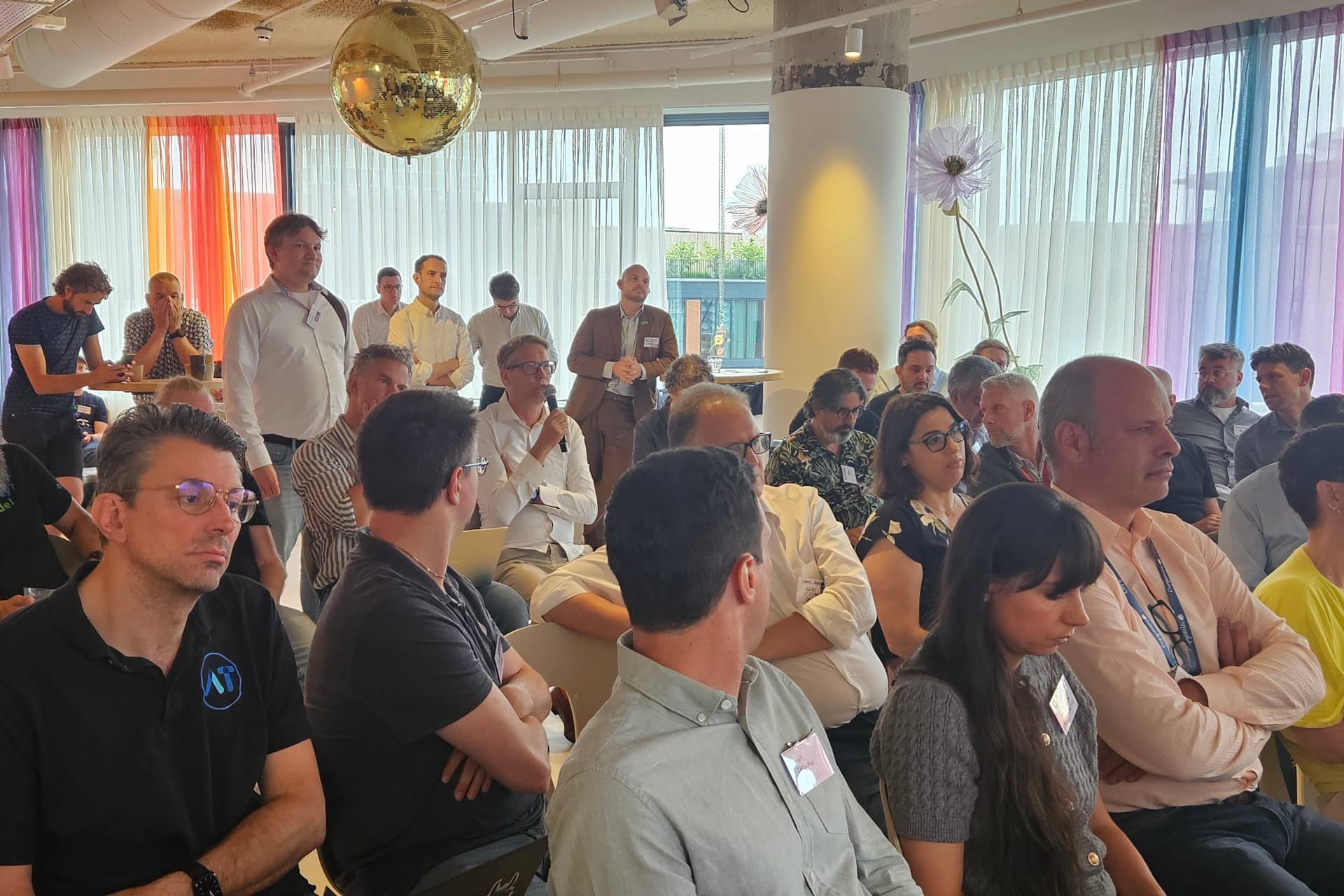
On Tuesday June 30 2026, DOSBA had the honor of hosting the annual APELL conference in Utrecht, Netherlands. APELL is the European umbrella organization of national industry associations such as DOSBA and currently includes members from the Netherlands, Germany, France, Finland, Denmark, Portugal, Sweden, Italy, Latvia, and Switzerland.
The day began with APELL’s general assembly. During the meeting, the board was re-elected, consisting of Ronny Lam on behalf of DOSBA.
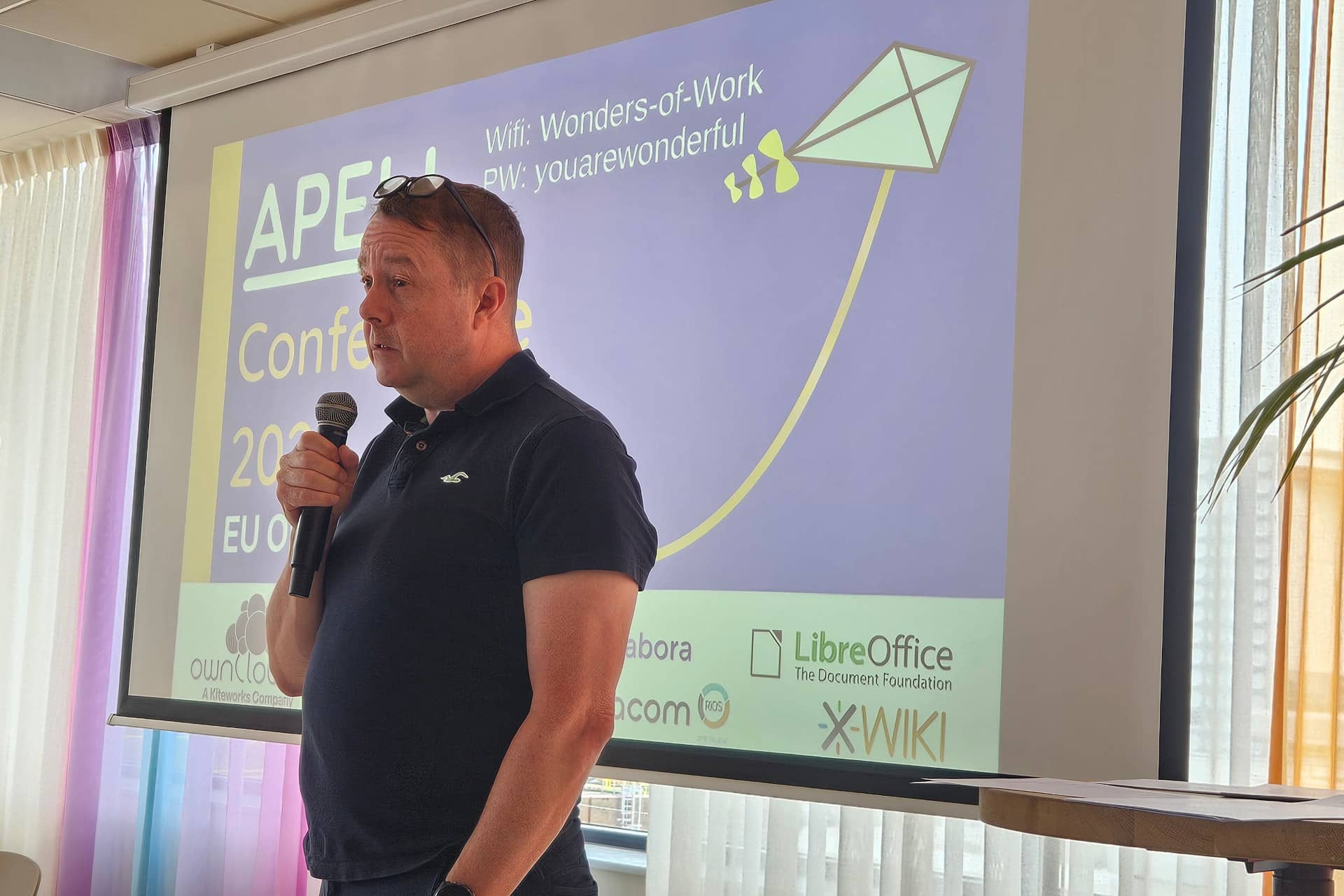
Following this formal opening, the doors opened for the conference itself. The day was hosted by Emiel Brok. Sebastian Raible, Managing Director of APELL opened with an overview of the progress and successes APELL and the open source sector have achieved across Europe in recent months. Open source is now firmly on the European agenda and is gaining real momentum. APELL has even been given a footnote in the recently presented European Open Source Strategy.
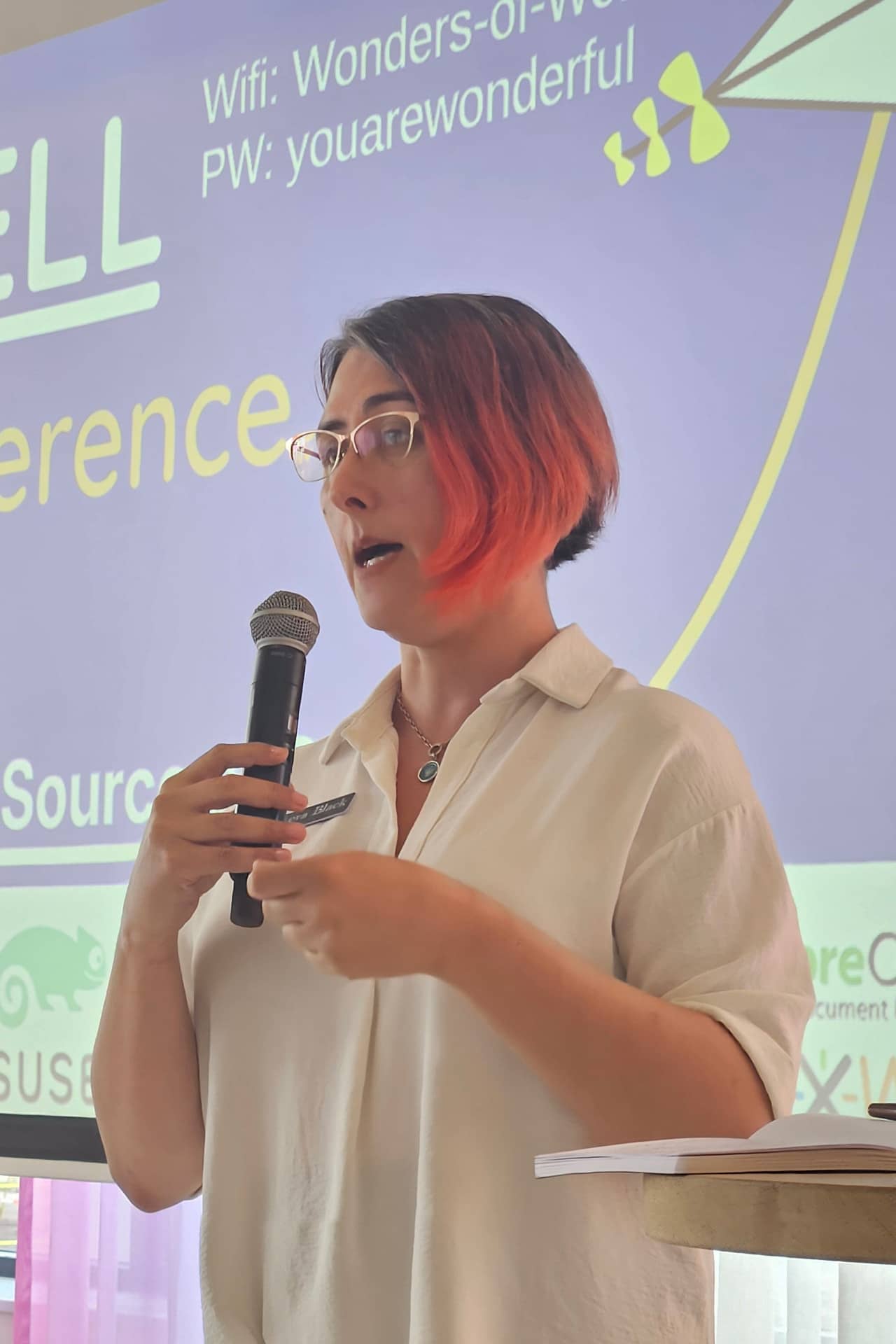
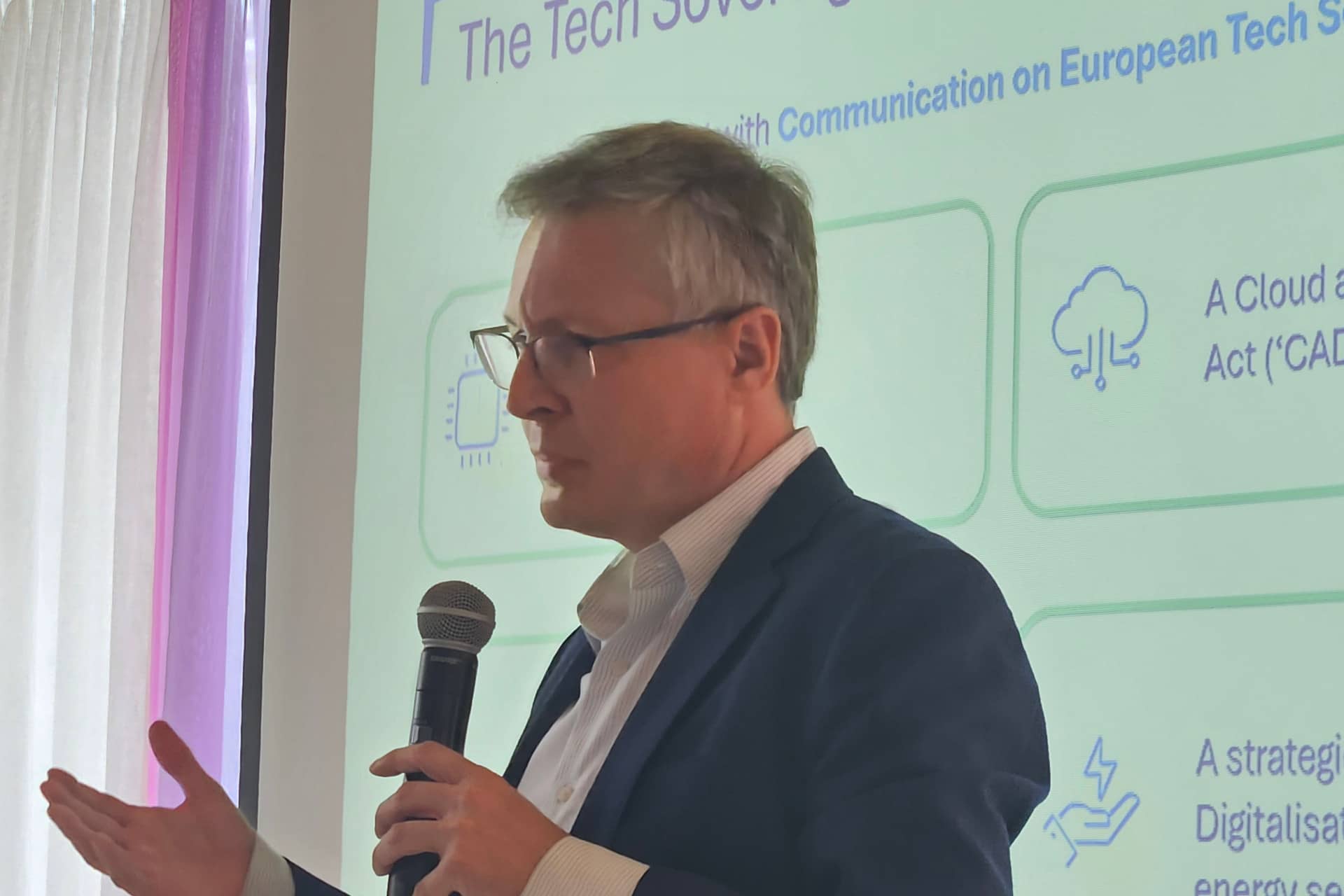
The keynote was delivered by Laurent Rojey, Director of the Digital Commons EDIC, the European Digital Infrastructure Consortium established by the Member States to give Digital Commons a sustainable place in Europe. Open source and digital sovereignty are high on his agenda. He was followed by Jean-Luc Dorel of DG CONNECT at the European Commission, who presented an overview of the EU Tech Sovereignty Package unveiled a few weeks earlier. This package includes the Chips Act 2.0, the Cloud and AI Development Act (CADA), and the Open Source Strategy. He outlined what these developments mean for Europe and what funding is already available or expected to become available. Together with Æva Black, founder of Null Point Studio, he concluded with a panel discussion on the opportunities and challenges Europe is currently facing.
Astor Nummelin Carlberg, Director Open Source Sovereignty at SUSE, delivered a strong plea for closer collaboration across the European open source industry and for communicating one shared, powerful message. He compared the situation to the defense industry, which has managed to achieve a great deal with only a fraction of the budget Big Tech spends on lobbying in Europe. In his view, if the open source sector works together in a similar way, it can significantly strengthen its position across Europe.
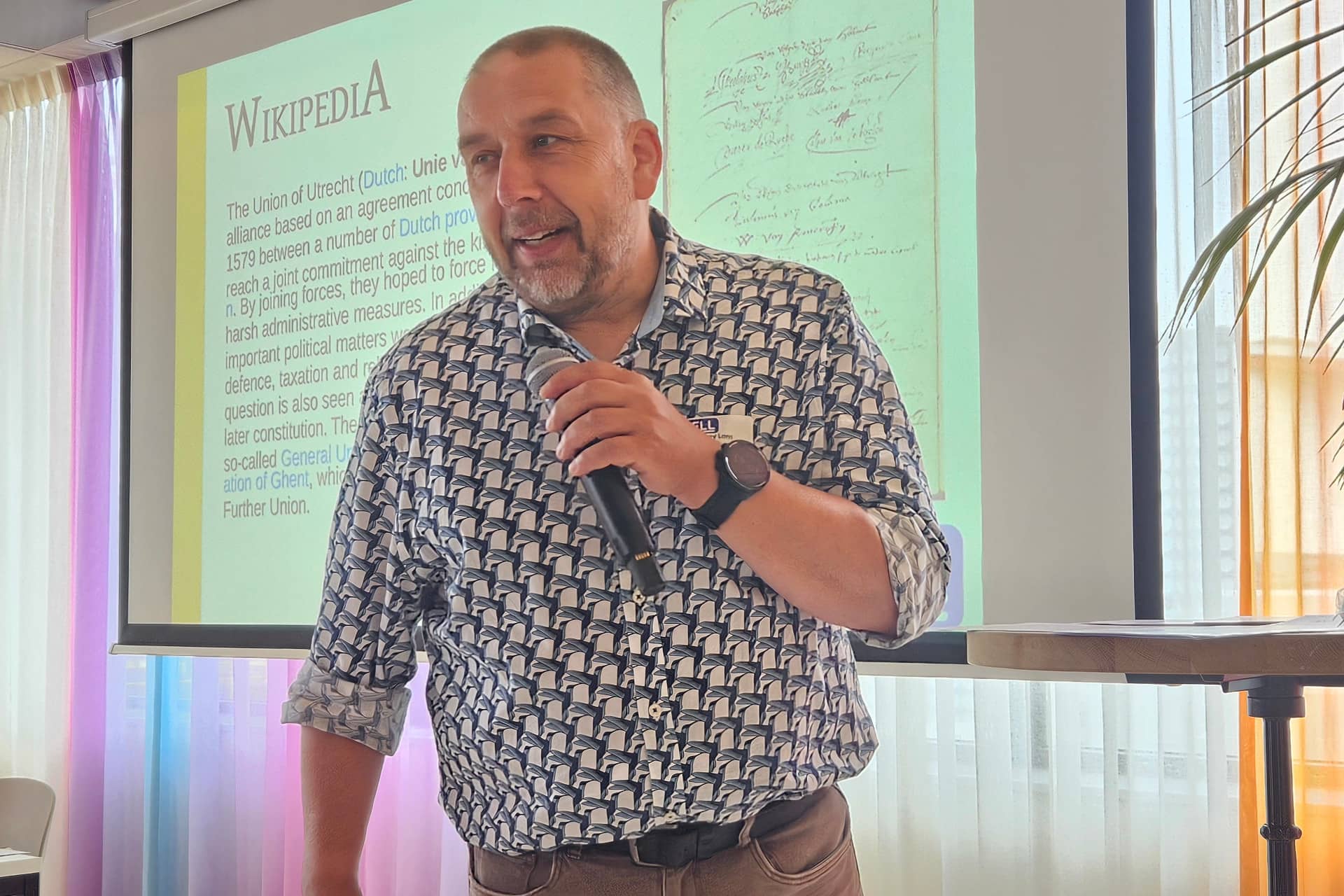
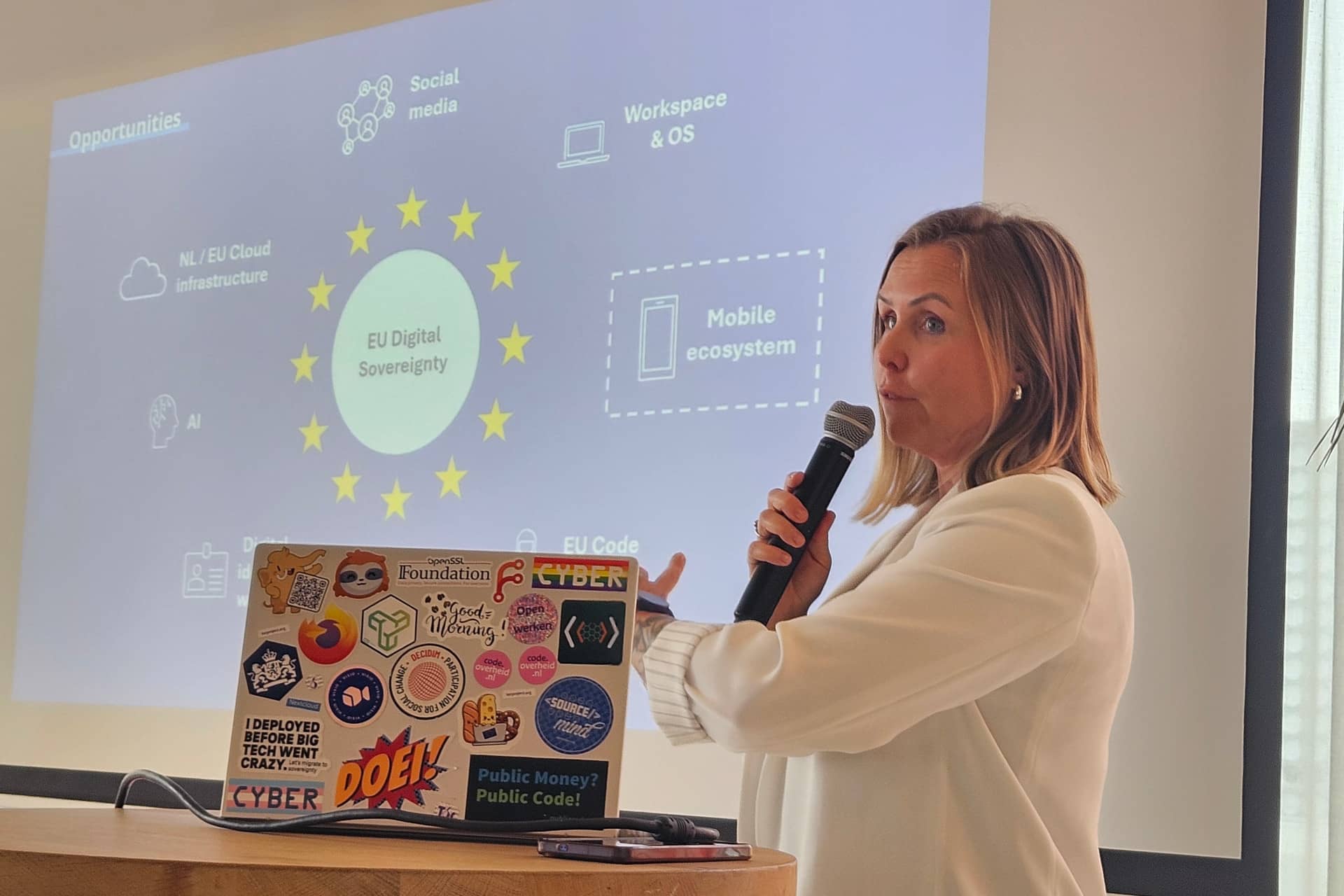
Gina Plat, Program Manager OSPO at the Dutch Ministry of Interior and Kingdom Relations, highlighted a number of open source success stories from the Netherlands. She spoke about Mijn Bureau, a suite of open source desktop applications for documents, spreadsheets, and video calling, which is being developed together with Germany and France. She also discussed the success of code.overheid.nl, a Git alternative where the government shares its open source projects, as well as upcoming pilot projects involving Linux laptops.
Anais Concepcion, CEO of Grist Labs, made the case for working with companies that genuinely contribute to the open source community: organizations that actively help build projects, contribute code back, or support the ecosystem in other meaningful ways. She called for a public directory that would make visible which companies are making substantive contributions. In her view, procurement teams should do business with those companies rather than with so-called free riders.
Matthew Hodgson, CEO/CTO of Element and project lead for Matrix, shared his experience of bringing open source products to market in Europe.
David Walter, Vice President at ownCloud, raised the question of why Europe spends billions on software from abroad while the continent is home to millions of open source developers. In his view, organizations can begin addressing that problem today by deliberately choosing open source, hiring developers, and actively contributing to the software they use. With an OSPO and, where appropriate, stewardship, he argued that major progress can be made.
Philipp Olbrich, Advisor International Digital Policy at GIZ, shared examples of how open source and open source AI models can play a role in cooperation with emerging markets and in broader development efforts.
Jutta Horstmann, Co-CEO of the Heinlein Group, compared lobbying for open source in Europe to football, perhaps not the happiest comparison given the recent World Cup results, but a fitting one nonetheless. In her view, a relatively small group of lobbyists, including our own Sebastian, needs to work closely together to firmly anchor open source in European policymaking. It is not enough to simply get the ball into the box; the sector also needs to finish and score. More support would be welcome, provided it is properly backed.
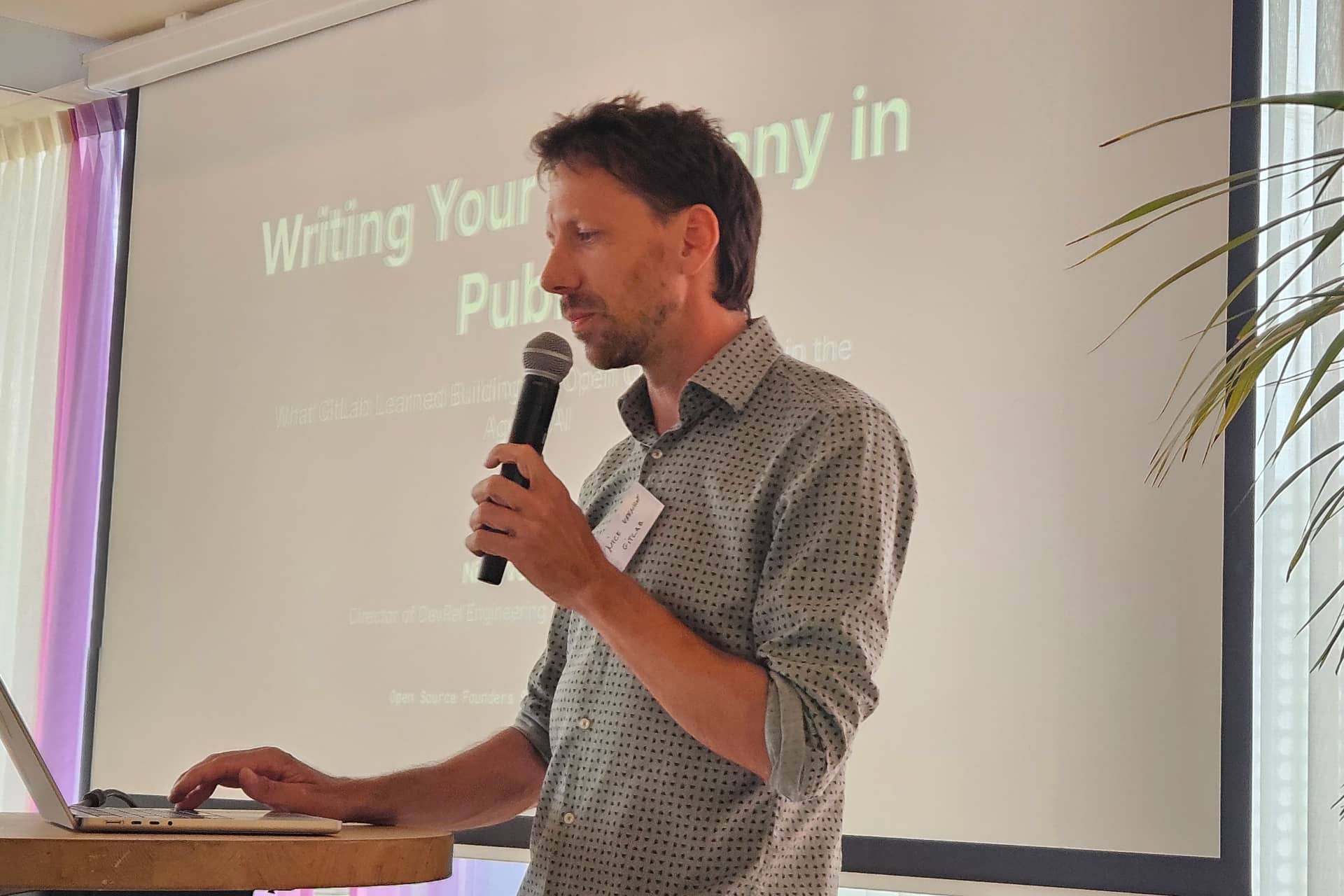
After several working groups, the day concluded with Nick Veenhof, Director at GitLab. He shared how he uses AI both personally and within GitLab. According to him, using AI responsibly remains a challenge: it should not simply be left to operate entirely on its own. At the same time, it saves him and his colleagues a great deal of time and has helped improve the quality of their work.
The conclusion of the day was clear: open source policy and adoption are clearly gaining ground across Europe and seem to be building real momentum. We are not only seeing more pilots, but, more importantly, more concrete implementations of open source solutions. Open source is also increasingly becoming an explicit requirement in public procurement. And to borrow Jutta’s words one more time: now it is time to score.