Leadership for Digital Autonomy Starts with Collaboration
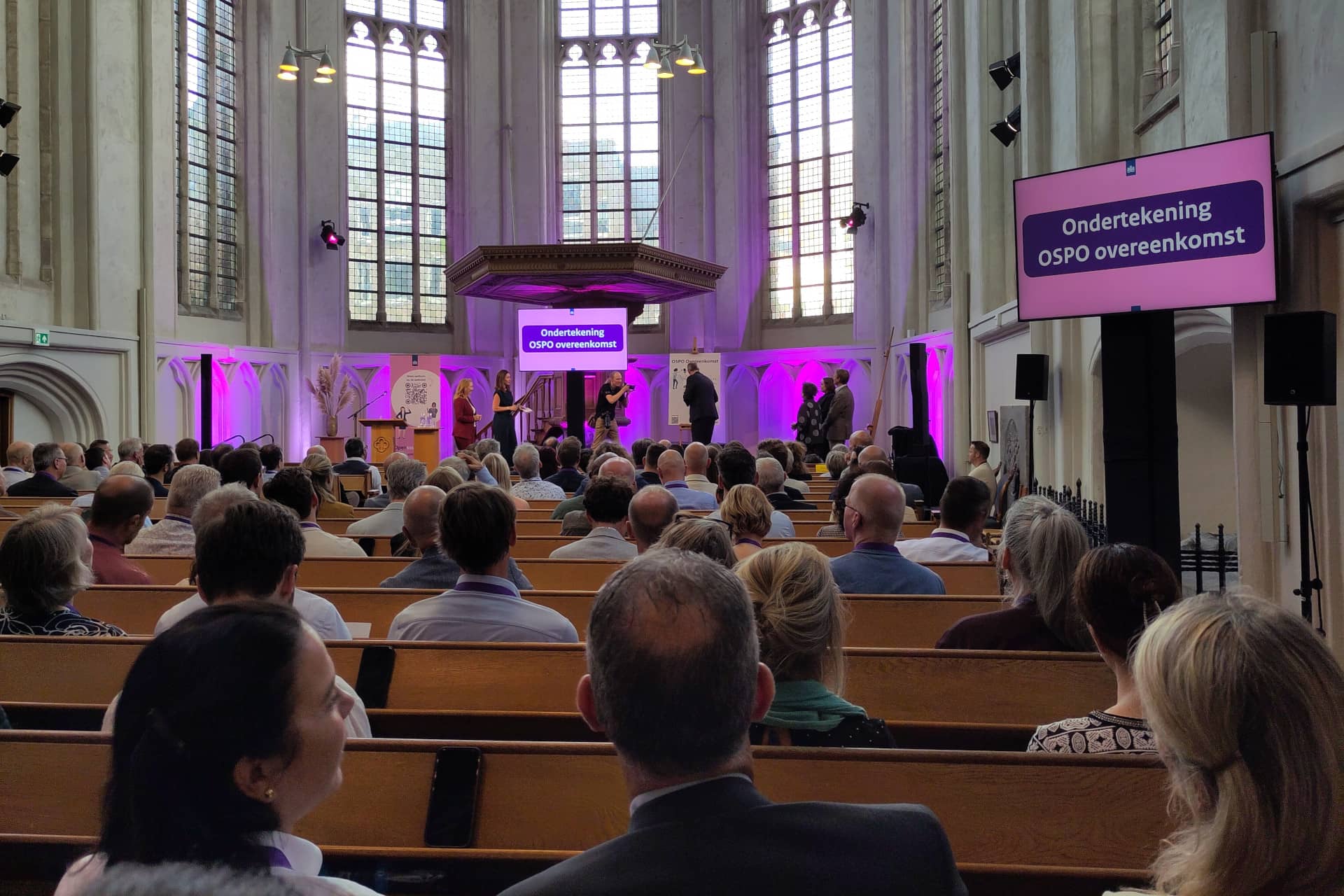
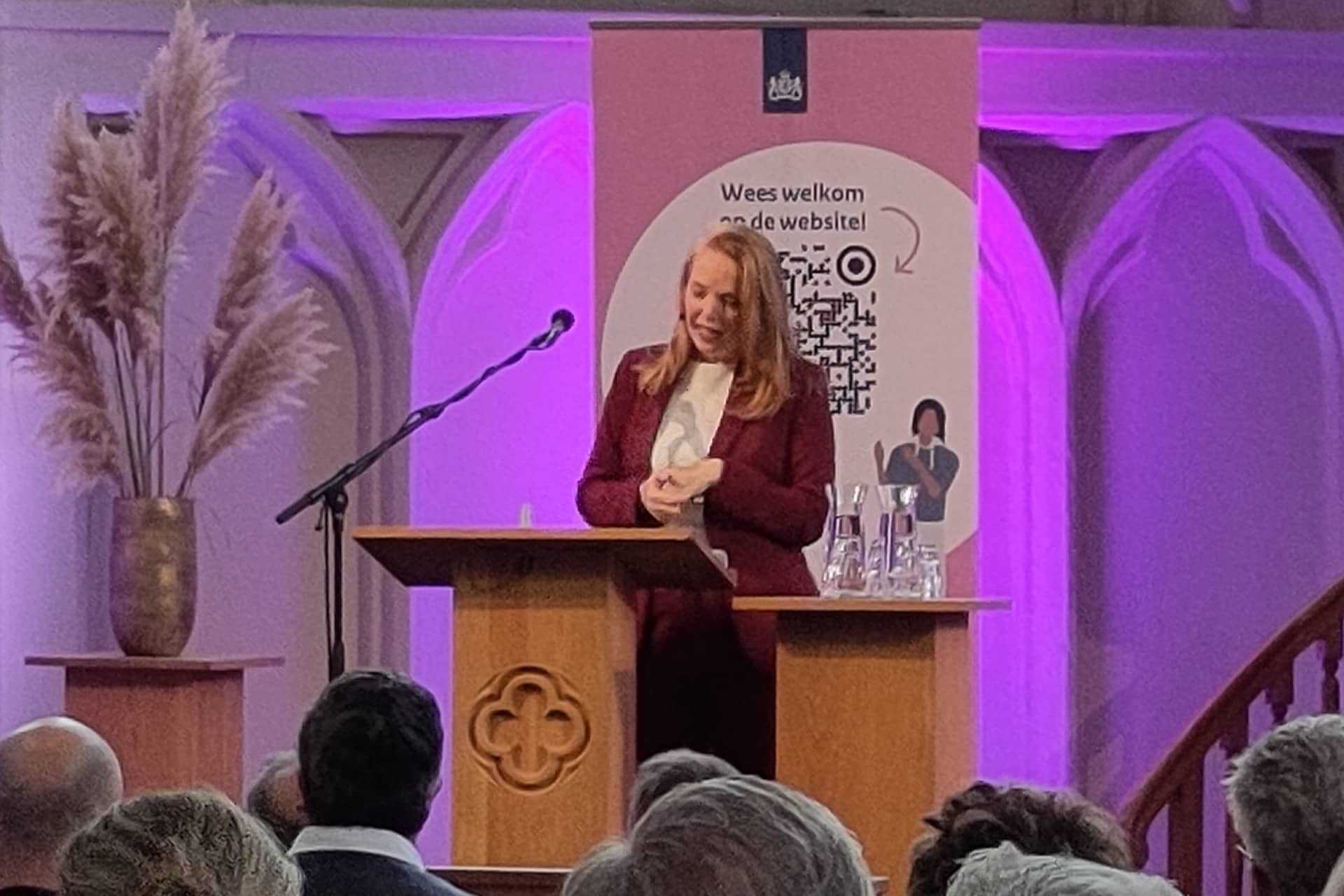
DOSBA was invited to the LeiderschapTop 2026, held on 1 October in Middelburg. One question took centre stage during the event: how can we ensure that the Netherlands and Europe continue to shape their own digital future?
The central message of the day was clear: open source is not an end in itself, but an important means of strengthening digital autonomy, resilience and freedom of choice. By sharing software, knowledge and standards, governments and organisations can become less dependent on a limited number of suppliers or countries.
The province of Zeeland provided a strong example. It is working on digital autonomy and exploring the role open source can play in achieving it. The importance of cooperation between government, business, education and civil society was also emphasised. Dutch small and medium-sized businesses have a great deal of knowledge and innovative strength. We need to make better use of that expertise in procurement processes and in the development of digital services.
Several speakers stressed that digital autonomy starts with ownership. This concerns not only software, but also data, architecture and standards. Organisations that retain ownership of their data and use generic standards have more control and can switch more easily between suppliers. Open source provides a practical way forward: organisations can collaborate, reuse solutions and take control where necessary.
The Electoral Council demonstrated the importance of transparency in processes that affect our democracy. Software that can be inspected, combined with an active community, contributes to trust. At the same time, the speakers emphasised that open source only works when management, maintenance and security are properly organised. “Open source by default” therefore requires more than technology. It also requires professional organisation and clear responsibilities.
At European level, open source is regarded as an important part of digital sovereignty. Freedom, security, choice, competitiveness and the prevention of vendor dependency all play a role in the European approach. Programmes such as GovTech4All show how countries can reuse and jointly develop solutions in areas such as regulation, digital workspaces and AI.
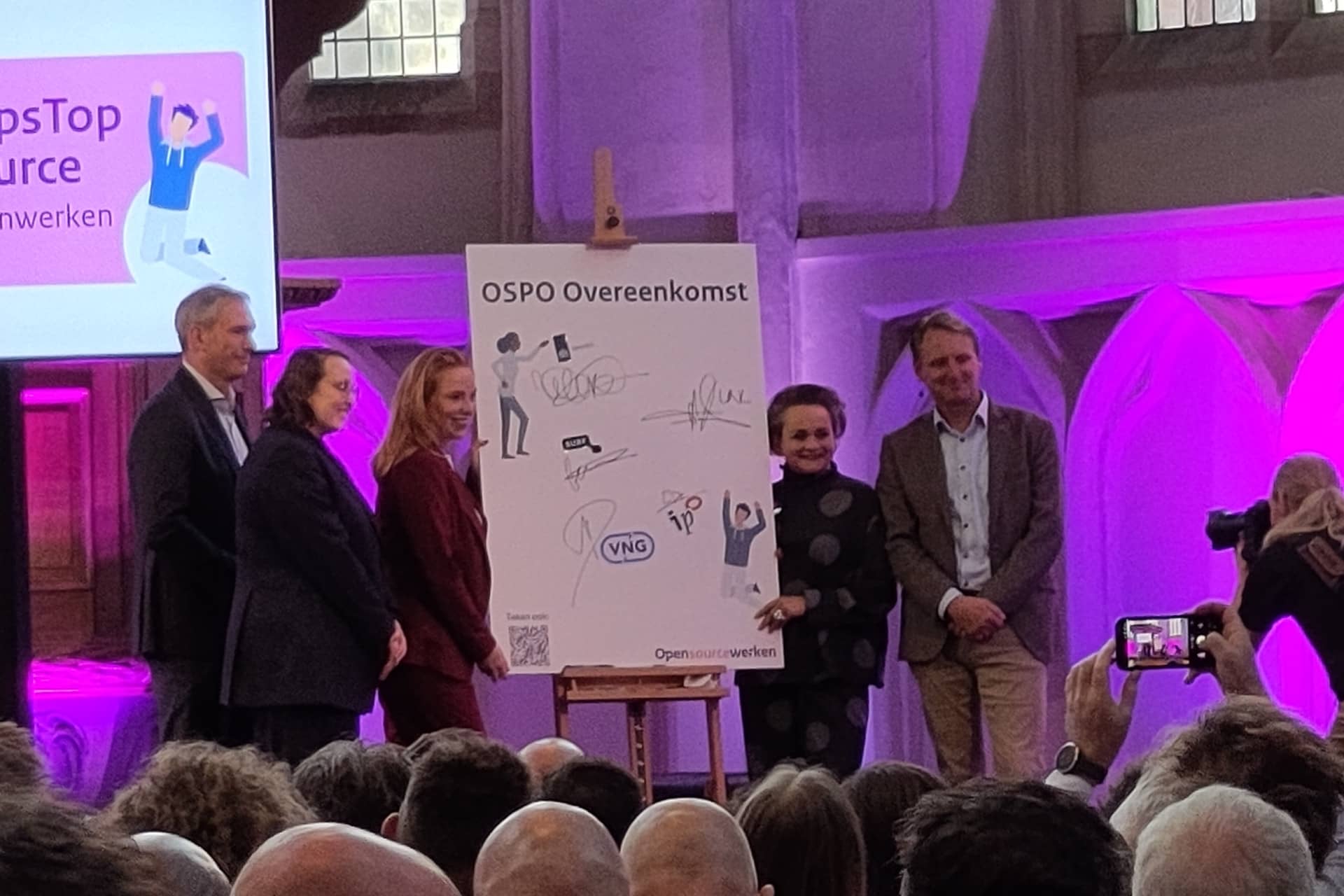
The OSPO agreement, focused on Open Source Program Offices, also received considerable attention. Within organisations, an OSPO can drive cultural change, knowledge development and better cooperation with the market. This is not only about policy, but above all about people: employees who are given the space to contribute, share knowledge and take responsibility.
The event made clear that leadership in open source is not about grand statements, but about making concrete choices. Start small, establish ownership, work together and avoid creating new dependencies. As was said during the event: leadership is what you do.
The ambition is significant: within ten years, organisations should have real choices about where data is stored, which applications are used and with whom digital services are developed. The LeiderschapTop showed that this future is already being built by governments, educational institutions, businesses and communities that are finding ways to work together. Let’s work together to make this ambition a reality.